
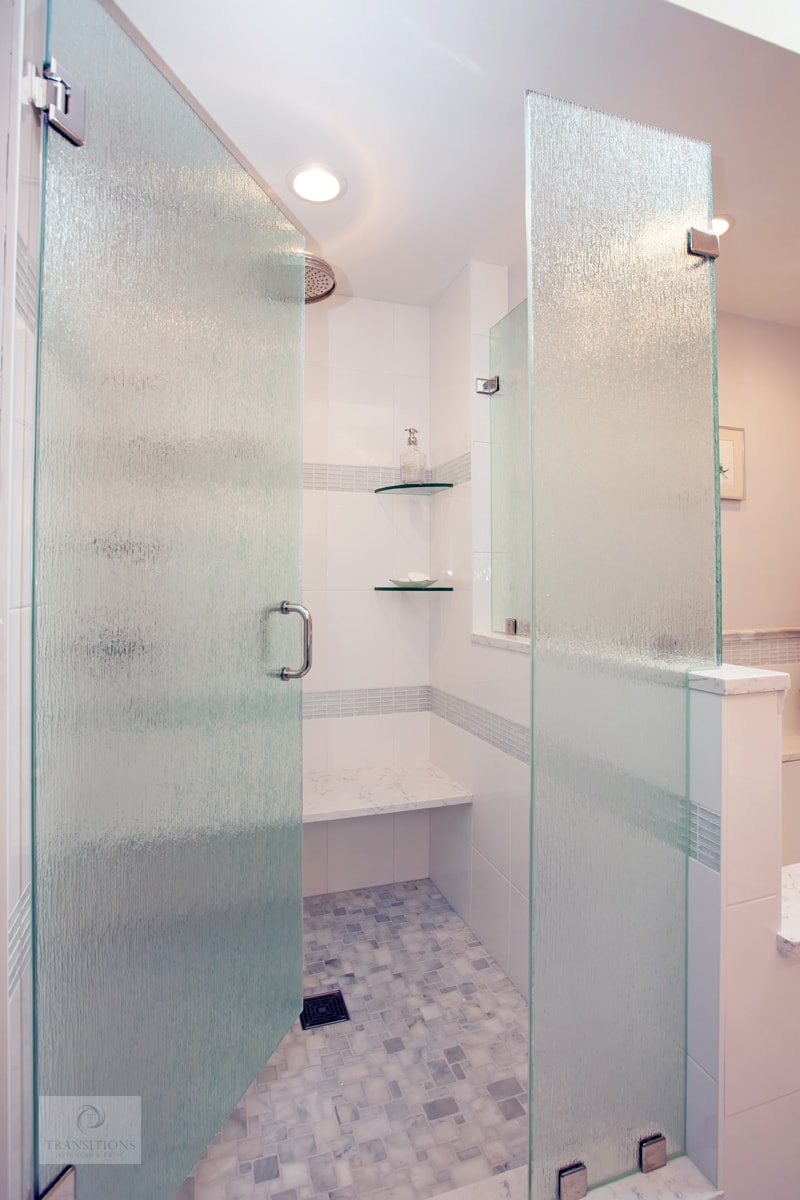
When it's time for a bathroom remodel, there are many elements to consider. Maybe you want more storage, a fresh take on the layout, or a design that reflects your home's style better. In a busy bathroom, the shower tends to be a focal point and deserves careful consideration. Here are five mistakes to avoid when designing a new shower.
Know your pipes
The shower is a water-intensive element of any bathroom, so the pipes have to handle whatever shower style you plan to install. Understand where existing pipes are located and the impact of moving the shower or expanding it. Ask your designer how the chosen shower will affect the pipes and how any changes affect the budget.
Structural Requirements
Decide what type of shower you want and talk to your designer about how that works in the existing space and what structural changes need to happen. Does it require building a new half wall or attaching a heavy glass enclosure to a wall that needs to be fixed to studs? Discuss structural requirements at the design stage so you fully understand what's possible in the existing layout, or what has to change to accommodate the new shower.
Style Choices
Whether the shower is fully enclosed or open, curbed or thresholdless, it's a central feature that draws the eye when you enter the room. While focus often goes to the vanity and floor tile, pay close attention to the shower too. Choose a style, tile, showerheads, and added features that enhance the experience and fit your home's style for years.
Future Proofing
Consider your stage of life and how long you plan to stay in the home. If you plan to age in place, a curbless shower is never a bad choice and is also very current. The sleek style allows easy access to the enclosure but has to be planned at the beginning of the bath design to allow for the drain.
Advanced Waterproofing
Bathrooms face moisture and steam every day, so waterproofing matters, especially in a busy primary or kids' bath. A poorly planned remodel that cuts corners to lower costs can result in leaks that damage more than just the bathroom. Avoid longer-term structural damage by building advanced waterproofing into the remodel. Your designer will plan and budget for this.
This is most essential in the shower itself, which faces a constant onslaught of water. Include a membrane before walls and floors are finished, silicone in gaps between walls and floors, and other waterproofing layers. The result avoids mold and mildew, water damage to structural elements, and leaks into surrounding spaces. We dig into tile choices for showers in our small bathroom tile guide.
Talk through your shower with a designer
If you're planning a bath remodel and want to talk through your shower design, we'd love to talk.
Schedule a showroom visit at our 5,000 square foot showroom in Norwell. No pressure, just a real conversation about your home.
Transitions Kitchens, Baths & Remodeling
433 Washington St, Norwell, MA
(781) 871-0881

.jpg)