
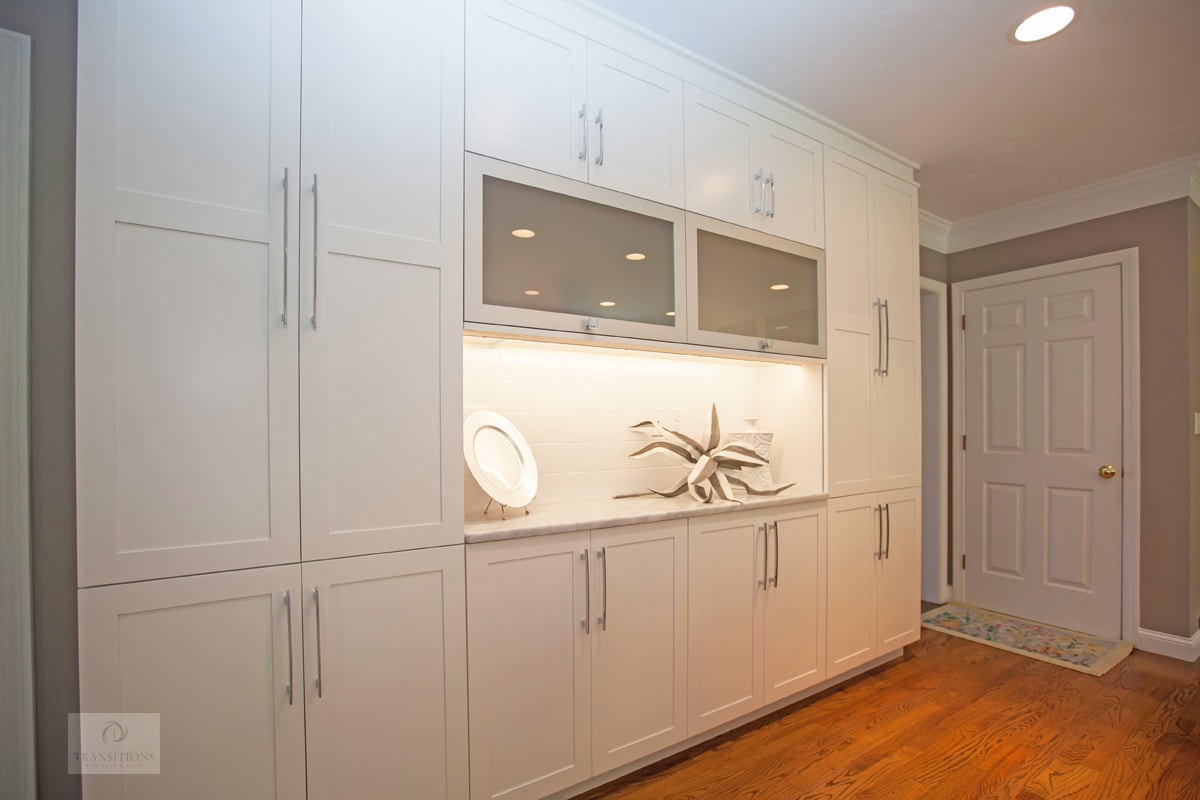
Accessorizing a kitchen remodel is the finishing touch that completes the design and personalizes the space. Accessories are also more easily changed over time, so they offer an ideal opportunity to refresh your look without rebuilding.
At the planning stage of a kitchen remodel, picture the end result, including accessories that will complete the look. If you decide on the style you want, then it's easier to choose the components that work together: cabinet doors, hardware, color scheme, and lighting all fall into place in a cohesive style.
To accessorize effectively, the design needs to be neat and organized. Storage is vital to avoid clutter. Accessories should be well thought out and combine the functional and aesthetic. Here are tips for accessorizing your kitchen.
Start With a Blank Canvas
Clearing out the kitchen is a good starting point. Empty cabinets, countertops, and shelving so you can visualize how best to accentuate the room with accessories. Be ruthless about what goes back. Are you keeping expired food, seasonal items you never use, ornaments accumulating dust? When creating a fresh look, think about what to store and what would look good on display.
Look at the style, color, and texture of each item you display to ensure it works in the design. If something is useful but doesn't fit the overall style, keep it in closed storage. Custom storage is the best way to maximize space.
Elevate the Mundane
Accessorizing isn't only about creating an aesthetically pleasing space. A kitchen must be efficient and well-organized, and able to incorporate functional items that are stylish and useful. The dishcloths and soap holders should be as considered as the hardware and lighting. Invest in quality dish towels that complement the color scheme. Make sure storage containers work with the countertop, cabinetry, and shelving. Try unusual but beautiful objects as containers and vases to inject personality.
Arrange Accessories Thoughtfully
Once you've selected items to display, arrange them well. Lining items up in a row looks one-dimensional. A classic technique is to arrange a small group with a common trait: same color, style, material, texture, or function. Keep the tallest at the back and arrange others in front to give depth. Don't be afraid to put things on top of each other. Books can lie horizontally with candles on them. Stand trays or cutting boards up against a wall in order of size. Depth and dimension make accessories look more interesting and natural.
Open Up Your Storage
Shelving is an ideal way to accessorize. Install shelving units or corner shelves in unused wall space or alcoves, or replace upper cabinets with larger shelving. Glass is a neutral option that opens up a space. Wood adds warmth, with reclaimed wood bringing a rustic, one-of-a-kind look. Powder-coated metal or stainless steel adds an edgy touch.
Whatever you choose, the shelf material should complement the overall style and color scheme. Keep focus on the shelves' material by not overloading them. Regularly used items should be near where they're needed; displays should be well-curated and dust-free.
Make the Most of Wall Space
Replacing cabinets with open storage reveals more wall, so consider how to decorate that space. Wallpaper or contrasting paint is a great backdrop to shelving. If you remove cabinets to leave wall space open to the ceiling, consider a statement backsplash: colored glass, copper, stainless steel, or a high-end tile. Larger formats in striking textures, colors, patterns, and shapes work especially well in this limited area, where you can go high-end and really make an impact.
Hang pictures and mirrors or place them on shelving to personalize. Hooks and pegs can support attractive cooking utensils, herb pots, or quality towels. Use this opportunity to add an accent color, texture, or metallic accents.
Focus on Lighting
How you light a kitchen makes a big difference. Plan the lighting scheme at the design stage to create a cohesive look and allow for correct installation. Task lighting illuminates work areas; accent lighting enhances items on display; ambient light sets the mood. Dimmer switches give further control. We dig into lighting more in our kitchen lighting guide.
Statement lighting includes giant pendants and dramatic wall mounts. A statement pendant or trio over a dining table or island makes that space stand out. Candles accessorize after dark. Chandeliers are romantic and glamorous. Brass remains fashionable across hardware. Organic materials are popular and make a statement while retaining their natural quality.
Color and Texture in White Kitchens
White kitchens can be punctuated by color or layered with neutral tones in different textures. White is stylish on its own, but transforms when paired with other colors and accessories — and you can change the accent color whenever you want.
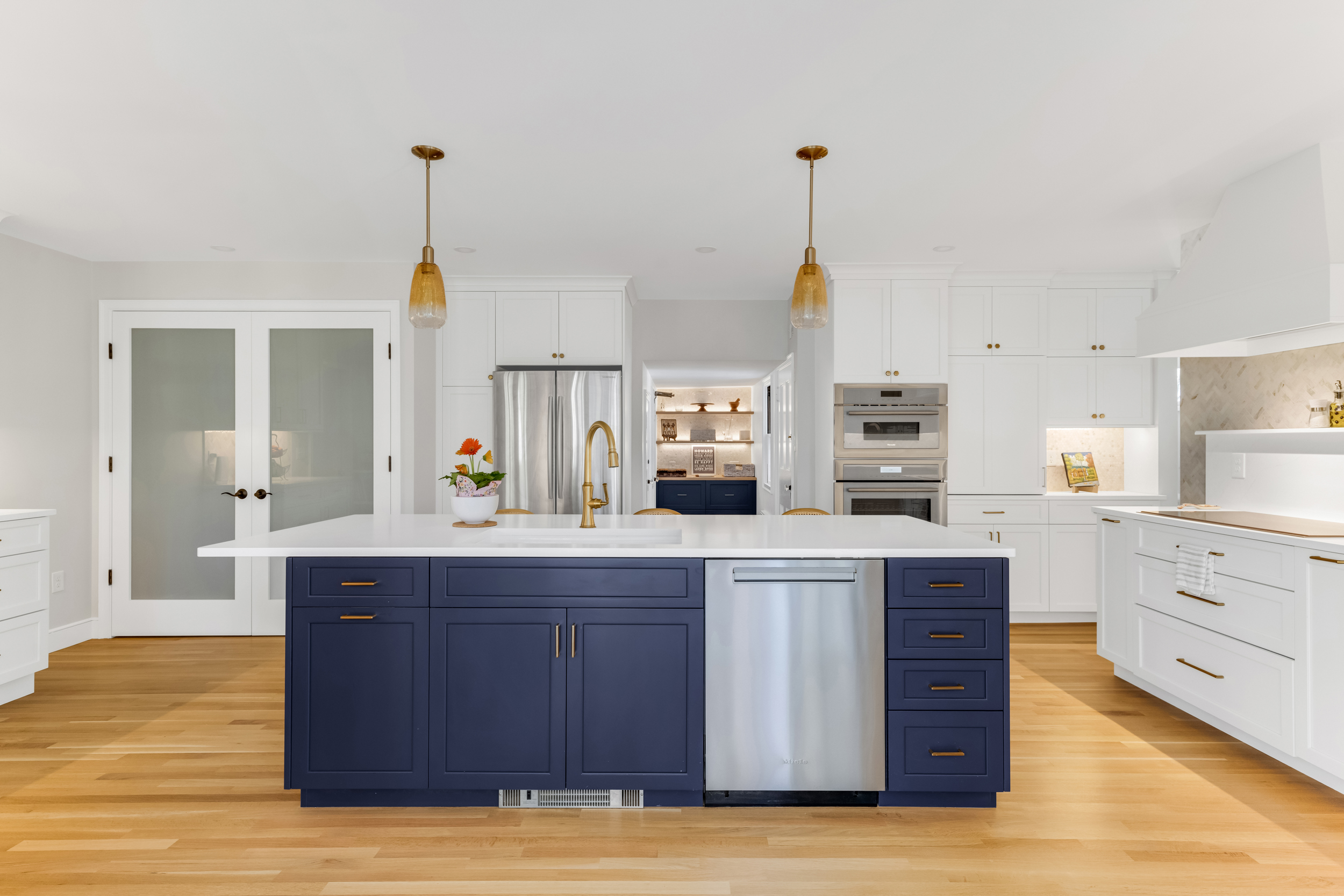
Inject green for an earthy feel, or warm things up with a spicy orange. Navy and white remains popular in two-tone cabinetry. If you want to segregate an open plan kitchen, color is useful: a dining area in one shade, the food prep space in another. Black accessories pair beautifully with a white kitchen — matte black hardware is still in vogue, and barstools or shelving stand out in dark metal. Layer textures with baskets, wood, and fabrics in neutral tones to bring warmth to a monotone design.
Make the Design Reflect You
Your kitchen remodel reflects your personal style. From flooring to appliances, functionality is key, but balance with style for a cohesive design. Custom storage keeps the look clutter-free. Freestanding furniture like a bar cart or lamps inject interest while being functional. Try upholstering seating in your favorite colors and textures. Drapes, blinds, or shutters make a difference at windows but should suit the room's style without overwhelming the space or reducing natural light. Greenery in containers brings life and color.
Talk through your kitchen with a designer
If you're planning a kitchen remodel and want to talk through how to bring your style together, we'd love to talk.
Schedule a showroom visit at our 5,000 square foot showroom in Norwell. No pressure, just a real conversation about your home.
Transitions Kitchens, Baths & Remodeling
433 Washington St, Norwell, MA
(781) 871-0881


.jpg)