
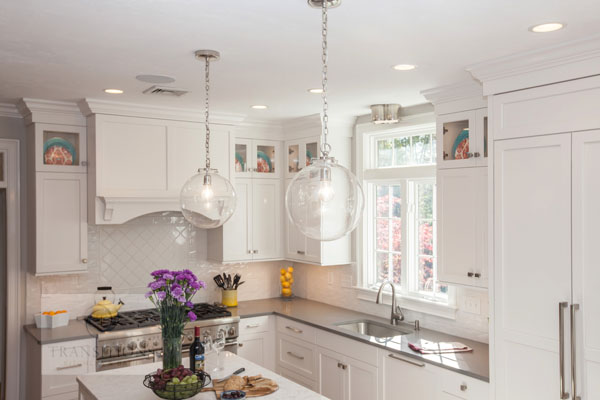
Kitchen sinks are not all the same. From hand washing to food prep to pot cleaning, the sink you choose for your kitchen has to withstand constant use. Like any element of a remodel, the sink also has to fit the overall style of the space, sometimes serving as a focal point. Here's a four-step guide.
1. Style
Self-rimmed (also known as flush-mount) has a rimmed edge and drops into a hole in the countertop. Easy to install, but cleaning the caulked edges around the rim can be tricky.
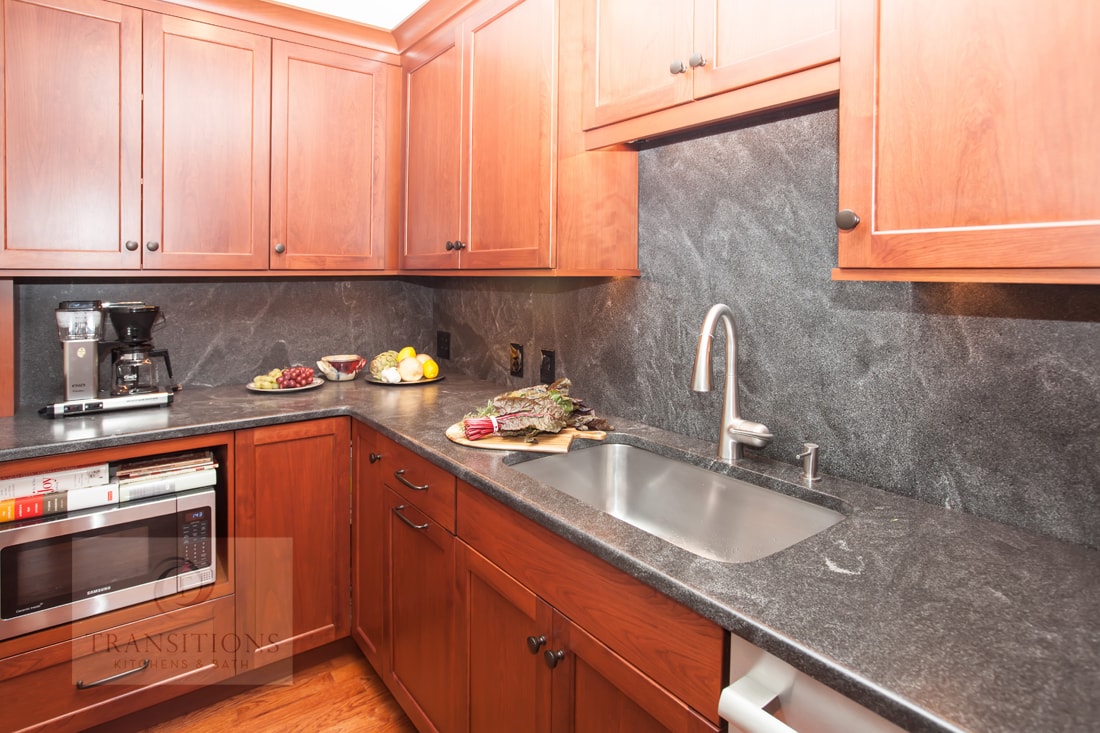
Undermount attaches underneath the countertop, giving a sleek appearance. Easier to clean, but only works with solid surface countertops.
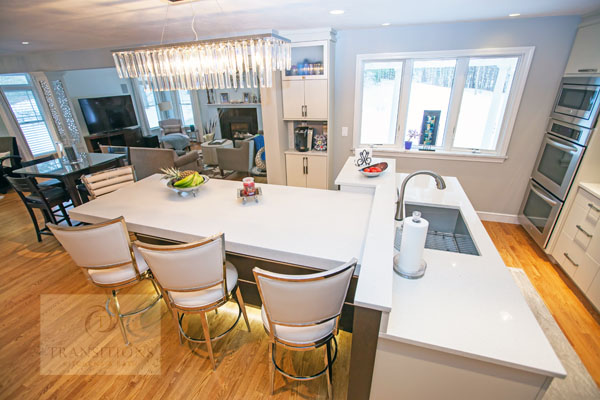
Integral sinks are integrated with the countertop, both made from a single material. No seams gives a clean modern look, but any damage to the sink means the whole sink and countertop have to be replaced.
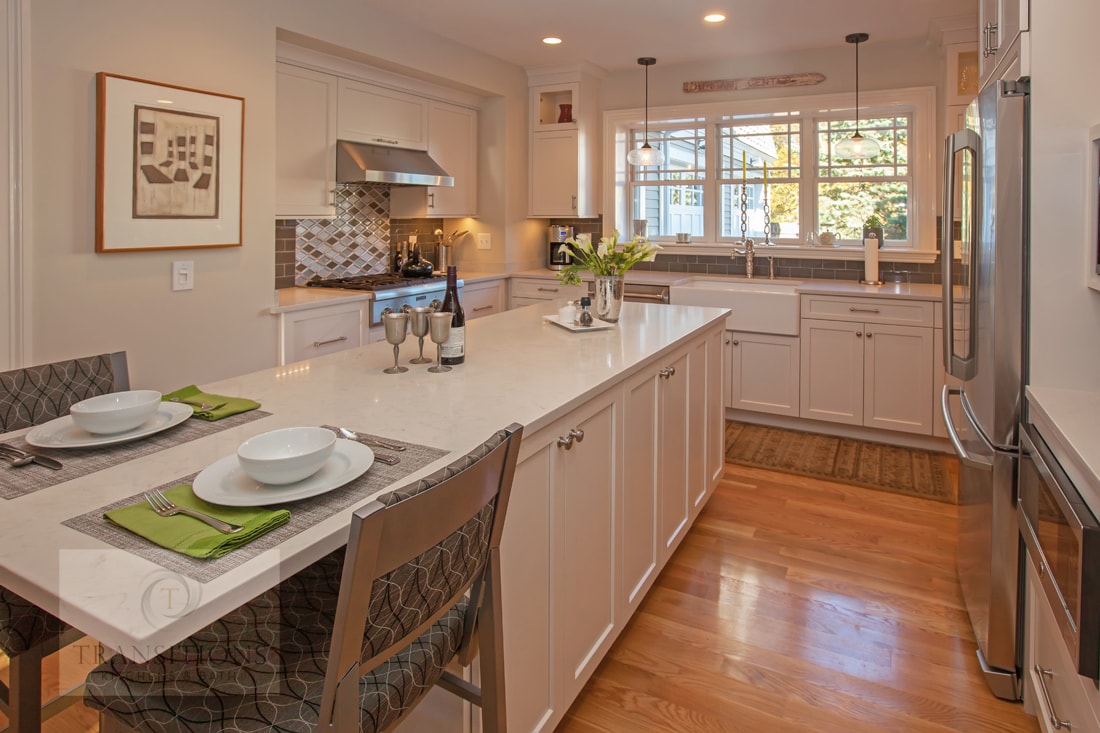
Farmhouse (or apron front) sinks mimic a vintage design typically associated with farmhouse-style kitchens. Generally large and ideal for cleaning large pots.

2. Number and Size
Divided sinks are available in double or even triple, perfect for multi-tasking. The downside: individual bowls are typically smaller.
Deep-bowl sinks make it easier to clean and fill large pots and pans. Where standard sinks are 8 inches deep, these are usually 10 inches or deeper.
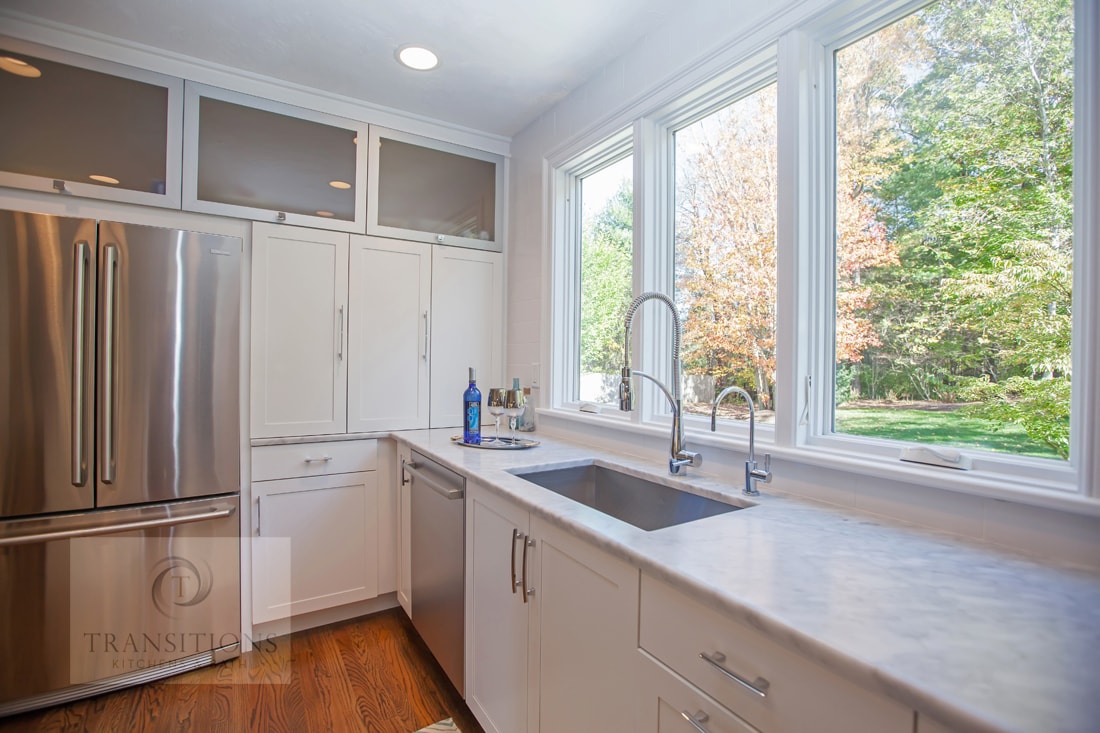
Oversize sinks are several inches larger than the standard 22x24 inch sink size.
Secondary or prep sinks work when you anticipate more than one person cooking. Generally smaller than the main sink, installed away from the cooking area.
3. Material
Stainless steel is a traditional choice, easy to maintain, and long-lasting. It can scratch, so clean with a non-abrasive cleaner.
Cast iron is very durable but prone to scratching, available in a range of colors.
Composite sinks combine natural and engineered materials. They give the appearance of stone at a slightly lower price, can be shaped and carved, and are durable and stain resistant.
Solid surface offers a uniform color and smooth finish. Easy to care for but can be sensitive to heat.
Solid stone like marble is attractive and durable but can be prone to stains.
Metal sinks like copper wear well and improve with age, though they require ongoing maintenance to keep a shiny finish.
Soapstone is durable, attractive, and can be carved or shaped.
Other materials include bamboo and concrete, both more environmentally friendly options. Prices vary by material; some are better suited to certain styles or installation types. Heavier materials require professional installation.
4. Extra Features
Integrated cutting boards and colanders are available with some sinks. A pedal control valve lets you turn the faucet on with a tap of the foot. We compare faucets in our faucet guide.
Talk through sinks with a designer
If you're planning a kitchen and want to talk through sink choice, we'd love to talk.
Schedule a showroom visit at our 5,000 square foot showroom in Norwell. No pressure, just a real conversation about your home.
Transitions Kitchens, Baths & Remodeling
433 Washington St, Norwell, MA
(781) 871-0881


.jpg)