
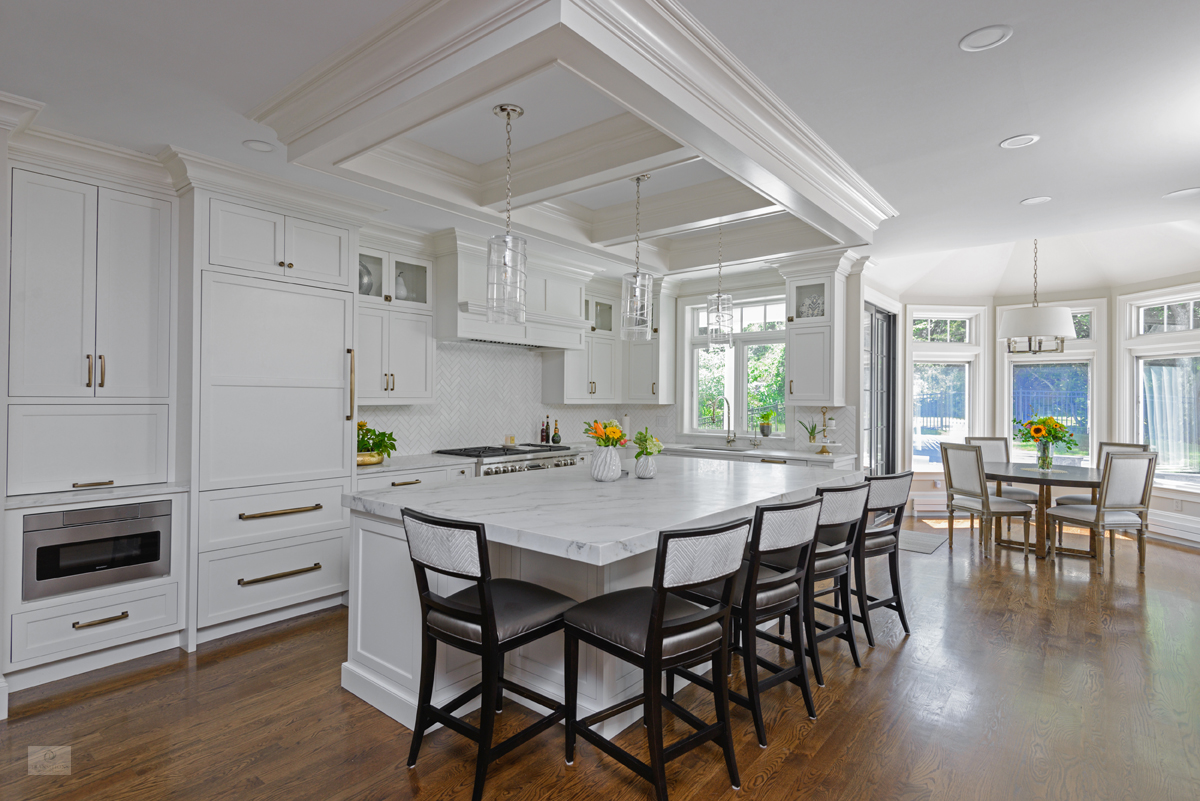
Realized it's time to update your kitchen or bathroom? Or maybe your home is crying out for updates and you don't know where to start. Perhaps you've been thinking about a remodel for years, saving photos on Houzz or Pinterest, taking note of design websites you love, or admiring friends' newly remodeled bathrooms.
You may be remodeling to accommodate a growing family, plan for aging in place, or get ready to sell. Remodeling is an exciting opportunity to reimagine your home, in style and in function. It's the right solution if you love your area and your neighborhood, don't want to take the kids away from school and friends, but have outgrown your home's key living spaces. Moving is famously stressful; remodeling lets you stay put.
Whatever your reasons, careful planning, research, and self-reflection are key to understanding and achieving your goals.
Finding an experienced designer, design-build firm, or general contractor is the foundation of any large project. The size and complexity of your project will guide what kind of professional you need. An experienced design-build firm that manages every aspect from concept to completion helps you get maximum value from your remodeling dollars and reduces stress.
1. What is your goal?
The first thing to understand is your own goals. What do you expect to achieve? Are you updating style but keeping the layout? Or knocking down a wall to expand into open plan? Maybe the primary goal is better storage or a larger luxury shower. You may be planning to sell in the next few years and need to update to compete in your local market. Or this could be your forever home and you want it to fit your needs perfectly. Decide what your destination is and let it guide every other decision.
2. What's the scope?
For a bathroom remodel, are you updating a primary bath, hall bath, kids' bath, or powder room? For a kitchen, how large is the room and do you plan to keep the existing footprint or change it? A remodel is the time to change the layout and get things exactly as you want, but any changes to the floor plan affect scope and budget. If you have an open plan kitchen, consider how changes will impact adjacent living areas. Do you need to update flooring in a hallway or living space to maintain a cohesive style throughout the first floor?
Is it a partial remodel, or are you ripping everything out and starting fresh? Consider whether to update adjacent spaces (a walk-in pantry alongside a kitchen, or a closet alongside a primary bath) at the same time. Our kitchen layout guide covers what's possible in different room shapes.
3. Who uses the space and how often?
If you're designing for your own use rather than resale, think carefully about how you'll use the space. Decisions vary if you're planning a rarely used guest bathroom versus a busy primary bath or family bathroom. Busy bathrooms need more storage, hardier materials, and the touches of luxury that make daily use enjoyable.
For a kitchen, think about how often you cook and how many people use it at once. Are you an avid home chef, an entertainer, or someone who relies on takeout? One designated cook or multiple people in the kitchen at once? Plan around your real patterns, not what looks good in a magazine.
4. What stage of life are you planning for?
For any remodel, plan for current needs and the next 10-15 years. A young couple with an expanding family wants a busy kitchen that withstands traffic, kids, and homework. If your kids are heading to college or you're planning for retirement, plan with aging in place in mind: wider doorways, curbless showers, lighting that supports older eyes.
5. What works in your current rooms, and what doesn't?
You probably don't hate everything about your existing rooms. Sit in the spaces with your family and make a list. What does everyone love about the current design? What are they looking forward to changing? Does the current kitchen island position work but just need fresh cabinetry and countertop? Is everyone ready to swap an old corner tub for a freestanding tub and frameless glass shower? Get on the same page before you talk to designers.
6. What's your home style?
Kitchen and bath design is more integrated than ever with the rest of your home. Consider your personal taste and the style of the rest of your house. Look at how your design choices will translate to your most-used rooms. Think about how colors and materials will look in your home, and where possible try samples in different lighting and times of day. While you may love a French country kitchen on TV, is it the style you want to greet you every morning? Get inspired by visiting our showroom, looking at design portfolios, and browsing local real estate. Our design styles guide walks through the major styles.
7. What are your must-haves?
Unless your space and budget are unlimited, prioritize what you want to accomplish. Decide which items are must-haves versus nice-to-haves, then look at what fits the budget. You may want a spacious shower and a freestanding tub, but if the bath isn't large enough or the budget won't stretch, you may have to choose. A luxury shower with a built-in bench, multiple showerheads, or steam shower features can deliver most of what people want from both.
8. What is your budget?
What you want has to balance with what you can afford. If your budget can't accommodate both high-end cabinetry with custom storage and a premium quartz countertop, decide which one matters more. Stay within your limits, but go for the best quality you can afford. Quality materials and a highly functional layout last longer and serve you better. Careful planning with a designer lets you leave out items you won't use and substitute alternatives where appropriate. We cover real Massachusetts numbers in our kitchen remodel cost guide.
9. Have you considered financing?
Understand all costs before you start: labor, materials, taxes, contingency. A reputable design firm provides transparent pricing that takes everything into account. Unless you're paying cash, lay out a financing plan early to avoid delays.
10. Does your household understand what's involved?
A major home remodel is a disruptive process. Working with an experienced remodeler helps the project progress smoothly, but you'll have a period where parts of your home are unusable and there's a lot of noise. The full process from design to completion takes months. Educate yourself on the stages, ask questions about how long each takes, what happens at each stage, and how much disruption to expect. For a very large project, consider alternative accommodation for the most disruptive part. At minimum, get everyone in the home on board so they understand the kitchen, bathroom, or hallway may be off limits, particularly for kids and pets.
What's next?
Once you've thought through your goals, style, and budget, decide what kind of professional to work with. Are you doing any work yourself, or looking for a full-service design-build firm? Unless your project is small or you have construction expertise, hiring an experienced design-build firm pays for itself by saving time and often money. Ask for recommendations, visit showrooms, find a designer who fits your personality and taste.
Talk through your project with a designer
If you're starting to think about a remodel, we'd love to talk through what's possible for your home.
Schedule a showroom visit at our 5,000 square foot showroom in Norwell. The first three steps of our process are free. No pressure, just a real conversation about your home.
Transitions Kitchens, Baths & Remodeling
433 Washington St, Norwell, MA
(781) 871-0881

.jpg)