
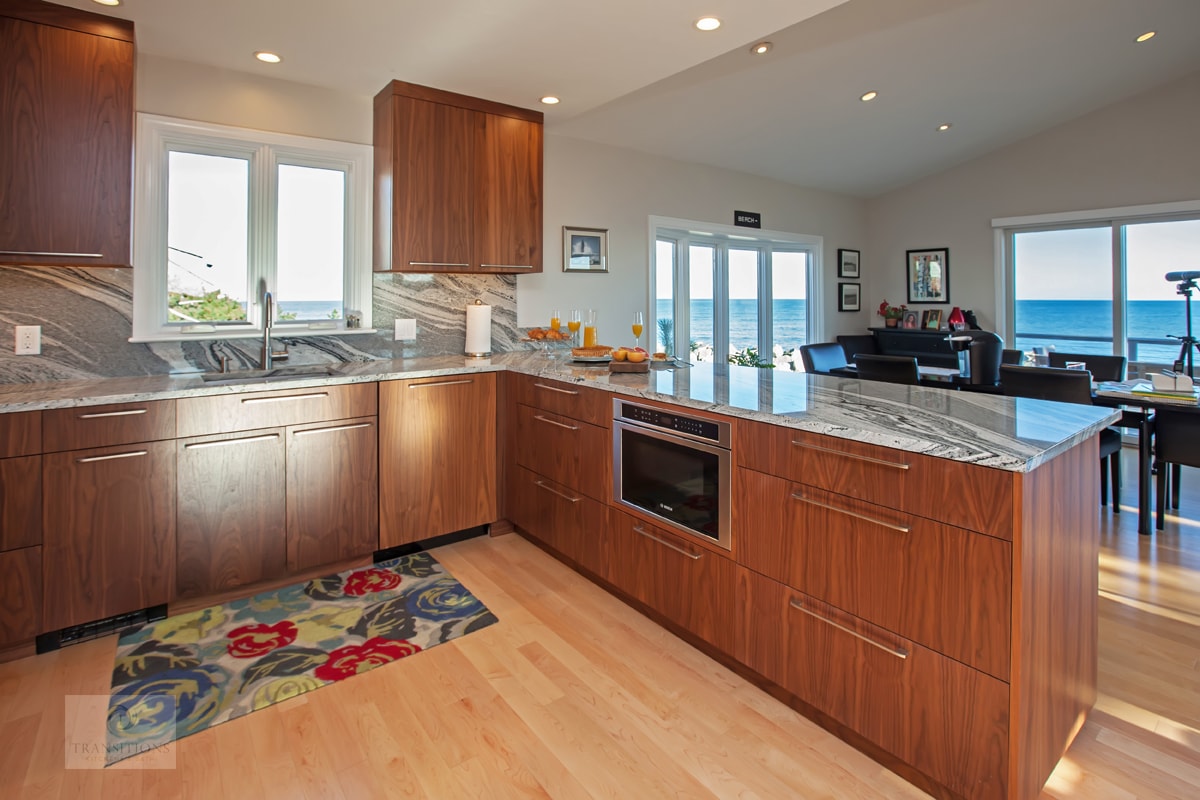
Embarking on a kitchen remodel is an opportunity to design everything you want for your kitchen, giving the home a new lease of life. Re-designing the whole room can seem overwhelming, but not when you work with a designer who'll help you break the process into stages and select the products that work best together. Cabinets are the foundation, and finish is one of the major decisions.
Aside from providing storage and workspace, cabinets set the tone and style of the room. Cabinet finish refers to the appearance of the cabinetry, separate from color. You can choose anything from a transparent finish on wood to a densely painted color. With a wide variety of wood species and finishes available, here's how to make sense of the choices. We compare the cabinet lines we carry in our cabinetry guide.
Step 1: Style and Wood Choice
Choose your style (contemporary, transitional, traditional, etc.) and a wood that complements it. Cabinets that suit the overall style of the house blend better with the rest of the interiors. This matters even more in today's open plan kitchens and makes the home easier to live in and sell. Cabinet color is more noticeable than style or finish in the completed kitchen, but all three elements have to work together and complement other products like tile, countertops, and hardware.
The finish affects the final color and texture, and has to pair well with the wood type. A highly patterned wood or textured door might look too fussy for some styles but be the star of the show in others.
Step 2: Stains and Paints
Once the wood is narrowed down, assess how various stains change its appearance. You can go for a budget-friendly wood with a dark stain to resemble mahogany. Lighter stains require better wood, since the natural wood appearance shows through. A lightly colored glaze can be applied over the stain for added depth and dimension. See a sample of your chosen wood with the finish you want, before committing.
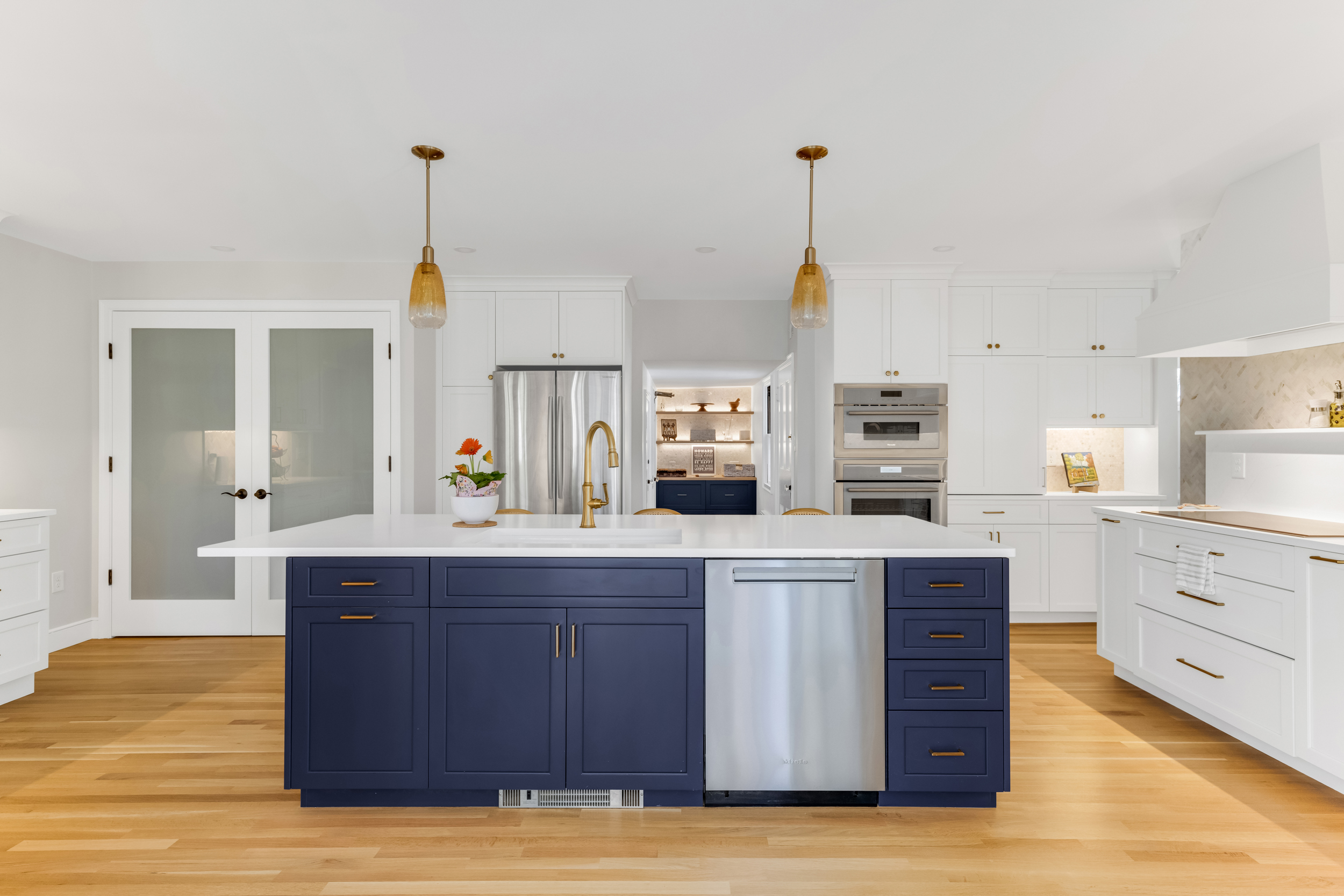
If you choose paint, you're covering the wood and focusing more on color. Darker shades look good in a gloss finish to reflect light; light colors can dazzle in a matte finish. You can paint all the cabinetry or just use it as accent on islands or upper cabinets, leaving the rest white, gray, or another neutral. An accent glaze can be hand-applied to stained or painted doors to accentuate corners and edges.
Step 3: Door Style
Door style impacts the final appearance of your cabinet finish. A full overlay is a sleek look with no cabinet frame visible. Partial overlay is more traditional, with some of the frame showing for a textured appearance. The doors could be flat, raised, multi-panel, or beadboard. These factors all affect how the finish appears and should be considered when selecting it. We cover door styles in our cabinet door style guide.
Step 4: Maintenance
The process of finishing cabinetry depends on the manufacturer. Cabinet doors could be sanded, primed, stained, painted, or glazed in anything from a few days to a few weeks. Your designer can tell you how the finishing process affects ongoing maintenance. If you want something easy to care for, choose your finish accordingly. A high-end appearance might need more maintenance.
Talk through cabinet finishes with a designer
If you're planning a kitchen and want to see and feel finishes in person, we'd love to talk.
Schedule a showroom visit at our 5,000 square foot showroom in Norwell. No pressure, just a real conversation about your home.
Transitions Kitchens, Baths & Remodeling
433 Washington St, Norwell, MA
(781) 871-0881

.jpg)